
The iGaming Edge: What Smart Players Know That You Don't
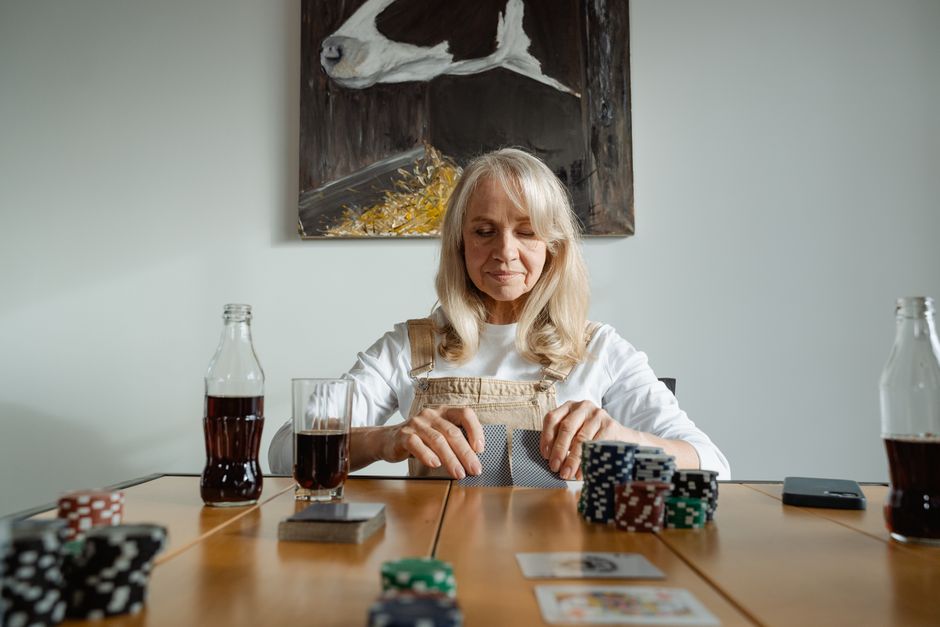
Walk into any poker room or open a slot lobby online and you'll meet two kinds of people: those who treat gambling like a lottery ticket, and those who treat it like a skill. The second group doesn't win every session—nobody does—but over hundreds of hours they consistently bleed less and cash out more. The difference isn't luck, a hot streak, or a secret system. It's a handful of decisions made before a single chip moves or a spin button gets pressed.
This isn't a puff piece about "responsible gaming." It's a practical look at how slots, poker, and sports betting actually work under the hood, and what separates recreational players who break even from the ones funding everyone else's weekend.
Slots: Reading the Math, Not the Lights
Slot machines are the most misunderstood product in the building. Players fall in love with themes—Egyptian temples, leprechauns, buffalo—but the only thing that matters is the math tucked into the game's help screen. Every slot has an RTP (return to player) percentage, and the spread between games is wider than most people realize.
A typical land-based slot might sit around 88-92% RTP. Online slots, because of lower overhead, often run 94-97%. That three-to-five percent gap doesn't sound like much until you do the arithmetic. Over $10,000 of total wagering, a 92% game costs you $800 on average. A 96% game costs $400. Same entertainment, half the expected bleed.
- Check RTP before you play. Most reputable casinos publish it in the game info tab. If it's buried or missing, that's a red flag.
- Understand volatility. Low-volatility slots drip small wins often; high-volatility slots pay rarely but huge. Neither is "better"—they just suit different bankrolls and patience levels.
- Ignore "due" logic. A machine that hasn't paid in 45 minutes is not warming up. Each spin is independent. The reels have no memory.
- Bonus buys are not free money. Buying a feature for 100x your bet is just a shortcut to a pre-determined slot session with the same house edge baked in.
The honest truth about slots: they're entertainment with a built-in cost. The players who enjoy them longest treat them like a night out—set a budget, pick high-RTP titles, and walk away when the budget's gone.
Poker: The Only Game Where You Beat Other Players
Here's something most casual gamblers never fully internalize: in poker, the house doesn't play against you. It takes a rake and steps aside. That means every dollar you win comes from another player's mistake, which changes the entire strategic calculus.
In Texas Hold'em, a tight-aggressive style—playing fewer hands but playing them hard—beats loose-passive play over the long run. Not because aggression is magic, but because it forces opponents into tough decisions while you mostly make easy ones. Fold junk, raise your strong hands, and stop paying off obvious monsters. Further details are available through สล็อต.
Three leaks that drain most amateur bankrolls
- Playing too many starting hands. If you're seeing a flop more than 30% of the time in a full-ring game, you're bleeding chips.
- Calling instead of raising. Calling lets opponents draw cheaply. Raising charges them for the privilege.
- Tilt. One bad beat shouldn't dictate the next ten hands. Stand up, walk, breathe.
Bankroll management matters more than any bluff. A useful rule: never sit at a cash table with more than 5% of your dedicated poker roll, and never enter a tournament whose buy-in exceeds 2%. That math keeps one cold session from becoming a catastrophe.
Sports Betting: Where Information Beats Impulse
Sports betting has exploded because it feels knowable. You watch football. You know which teams are good. So why do most recreational bettors still lose? Because they bet with their hearts, not the numbers.
The single most important betting concept is the vig, or juice—the commission the sportsbook charges. Standard odds are -110 on each side of a point spread, meaning you risk $110 to win $100. That 10-cent gap means you need to win about 52.4% of your bets just to break even. Bookmakers build profit into every line, and they adjust constantly based on where money flows.
- Line shopping is free money. The same game can be -110 at one book and -105 at another. Over 500 bets, that nickel adds up.
- Fade the public. When 85% of bets are on one side, the line usually moves against them because sharp money took the other side.
- Track every bet. A simple spreadsheet showing stake, odds, and result will tell you more about your edge than any tipster ever could.
Prop bets and live betting are where books make the most margin. They're fun, but the vig is often steeper and the edges thinner.
The Habits That Actually Move the Needle
Nobody becomes a profitable iGaming player by accident. Across slots, poker, and betting, the winning patterns look almost identical.
- Set a session loss limit and honor it. Not a target, a hard floor.
- Play with money you can lose without changing your week. Anxiety kills decision-making.
- Choose games where skill exists. Poker and sports betting reward study. Slots reward nothing but patience and RTP selection.
- Take breaks. Long sessions degrade focus, and degraded focus costs money.
- Use bonuses intelligently. Read wagering requirements—a 40x playthrough on a $100 bonus means $4,000 of betting before withdrawal.
None of this guarantees a win. Variance is real, and a good player can lose to a bad one in any single session. But over hundreds of hours, the edge belongs to whoever plays smarter.
The Bottom Line
iGaming gets marketed as excitement first, strategy second. Flip that. The players who stick around—the ones who actually enjoy this space long-term—treat it as a numbers game with a fun wrapper. They know their RTPs, they fold more hands than their egos want, they shop lines, and they never chase. That's not boring. That's control, and control is the only edge the house can't take from you.


Ventilation matters more than heat, so clear damp bedding, offer grit, and check combs for signs of frostbite.
Use forced rhubarb for a delicate set, warm the ginger, and sterilise jars before sealing the sticky, tart preserve.
Soak rods overnight, choose a simple round base, and weave plant supports that last several seasons in the garden.
Learn three unmistakable leaves, avoid umbellifers, and pick only from abundant patches away from busy roads and paths.